
The Ancient Tea Horse Road (Chamagudao)
The rugged trans-Himalayan trade network exchanging compressed Sichuan/Yunnan tea bricks for hardy Tibetan cavalry warhorses across razor-sharp gorges.
Places Along the Ancient Tea Horse Road (Chamagudao)


Commercial Genesis & Spatial Network
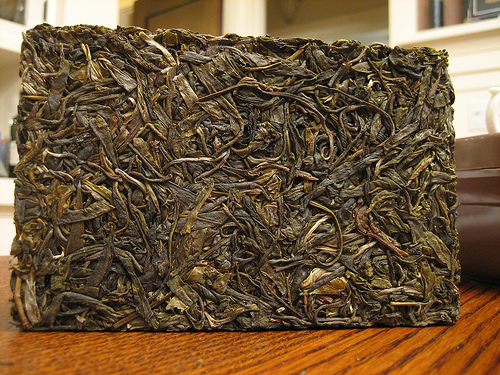
Initiated during the Tang Dynasty and reaching its zenith during the Song and Ming eras, the Tea Horse Road forged a lifeline across the Hengduan Mountains and Tibetan Plateau. Imperial China urgently required hardy mountain ponies to fight northern nomadic cavalry, while Tibetans prized brick tea as a dietary essential to digest highland yak meat and butter. Human porters carrying tea packs weighing up to 90 kg scaled perpendicular mountain passes in straw sandals.
Economic Impact & Cultural Diffusion
Underpinned the military defense of the Song Dynasty (trading over 20,000 warhorses annually) and facilitated the mutual diffusion of Tibetan Buddhism and Chinese culture.
Logistics, Caravanserais & Overland Hazards
- ▲Scaling knife-edge cliffs above the raging Jinsha, Lancang (Mekong), and Nu (Salween) river gorges
- ▲High-altitude blizzard exposure exceeding 5,000 meters across the Droma and Mila passes
- ▲Perilous single-cable bamboo zip-line crossings across glacial river chasms
- ▲Armed bandit raids requiring heavily armed muleteer caravans (Mabang) with Tibetan mastiffs
Custodial Empires & Polities
Sovereign states that safeguarded, taxed, or maintained garrisons along this route: