
The Tea Road (Siberian Route)
The caravan and post road that carried Chinese tea across Mongolia and Siberia to Russia, through the border trading town of Kyakhta.
Places Along the Tea Road (Siberian Route)


Commercial Genesis & Spatial Network
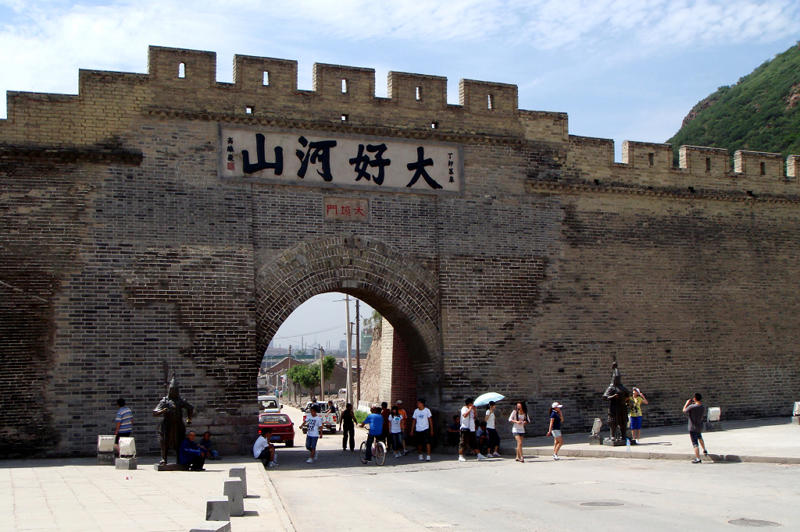
The treaties of Nerchinsk in 1689 and Kyakhta in 1727 opened regulated trade between Russia and Qing China. Tea from the hills of Hubei and Fujian was carried north to Kalgan at the Great Wall, then by camel across the Gobi to Urga and the frontier at Kyakhta, where Russian merchants exchanged furs and cloth for it. From there it travelled by sledge and cart along the Siberian post road through Irkutsk, Tomsk and Tobolsk to the fair at Nizhny Novgorod and to Moscow. The journey took many months. The opening of the Suez Canal and then the Trans-Siberian Railway ended the caravan trade.
Economic Impact & Cultural Diffusion
Made tea the national drink of Russia and made the merchants of Kyakhta among the richest in the empire.
Logistics, Caravanserais & Overland Hazards
- ▲The Gobi crossing between Kalgan and Urga took camel caravans about a month
- ▲Winter was the preferred season in Siberia, when frozen rivers and snow roads carried sledges
- ▲Lake Baikal was crossed by boat in summer and over the ice in winter
- ▲Tea was pressed into bricks to survive the journey and to pack efficiently
Custodial Empires & Polities
Sovereign states that safeguarded, taxed, or maintained garrisons along this route: